

bulletproof glass for store
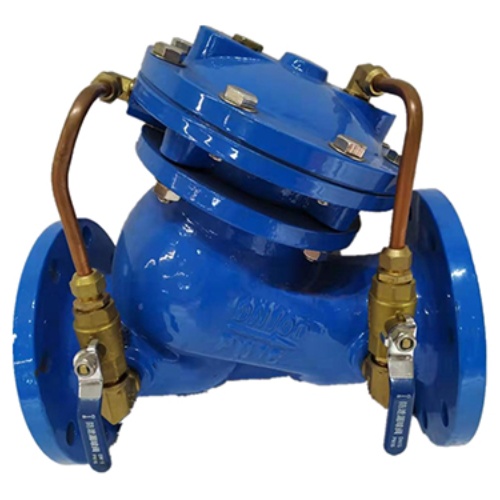
Replacing a Water Valve A Step-by-Step Guide Water valves are essential components of any plumbing system, controlling the flow of water in and out of various fixtures and appliances. Over time, these valves can wear out, become corroded, or develop leaks, necessitating their replacement. If you find yourself in a situation where you need to replace a water valve, whether it’s for a sink, toilet, or main water line, this guide will provide you with a comprehensive overview of the process, ensuring that you can carry out this task efficiently and safely. Understanding Water Valves Before diving into the replacement process, it’s essential to understand what type of water valve you are dealing with. Common types include gate valves, ball valves, and globe valves. Gate valves are typically used for on/off control and are not ideal for throttling. Ball valves, on the other hand, offer a quick on/off function with minimal flow resistance. Globe valves are mainly used for regulating flow. Identifying your valve type will help you choose the right replacement. Tools and Materials To successfully replace a water valve, gather the following tools and materials - Adjustable wrenches or a set of pipe wrenches - Screwdriver (flathead or Phillips, depending on your valve) - Replacement valve - Plumber’s tape (Teflon tape) - Bucket or towels to catch any residual water - Safety goggles and gloves Steps to Replace a Water Valve 1 . Turn Off the Water Supply Safety is paramount when working with plumbing. Locate the main water shut-off valve in your home, usually found near the water meter. Turn it off by rotating the handle clockwise. If you're replacing a valve for a specific fixture, such as a sink or toilet, you may find individual shut-off valves beneath the fixture. 2. Drain the System Open the faucet or fixture associated with the valve you are replacing to allow any remaining water to drain out of the system. This step is crucial to prevent water from spilling when you remove the valve. replace a water valve 3. Remove the Old Valve Using your adjustable wrenches, carefully loosen and disconnect the old valve from the pipe. If the valve has screws, use your screwdriver to remove them first. Be prepared for some residual water to spill out, so keep your bucket or towels handy. 4. Clean the Threads Once the old valve is removed, inspect the threads on the pipe for any debris or old plumber’s tape. Clean the threads to ensure a good seal with the new valve. Any residue could lead to leaks. 5. Install the New Valve Wrap the threads of the pipe with plumber's tape to ensure a tight seal. Then, attach the new valve by threading it onto the pipe. Make sure it’s oriented correctly, with the handle positioned in a way that makes it easy to operate. Tighten it carefully with your wrench, being cautious not to over-tighten, as this can damage the threads. 6. Check for Leaks Once the new valve is installed, turn the main water supply back on slowly. Look for any signs of leaks around the valve. If you notice any leaking, you may need to tighten it slightly or reapply plumber's tape. 7. Test the Valve Finally, test the new valve by turning it on and off a few times. Make sure it operates smoothly and that water flows without any obstruction. Check for leaks once more after testing. Conclusion Replacing a water valve is a straightforward task that can save you from costly plumbing issues in the future. By following these steps, you can ensure that the valve operates efficiently and securely. Always remember to wear proper safety gear and take your time to do the job correctly. If at any point you feel uncomfortable or unsure, don’t hesitate to consult a professional plumber. Regular maintenance of your plumbing system will not only prolong its life but also ensure the health and safety of your home environment.
about
bulletproof glass for store
OEM Right Angle Brackets Essential Components for Structural Integrity In the realm of manufacturing and engineering, ensuring structural integrity and reliability is paramount. Among the myriad of components that contribute to this objective, right angle brackets stand out as fundamental elements in a wide range of applications. Specifically, Original Equipment Manufacturer (OEM) right angle brackets play a crucial role in providing stability and strength to various structures and assemblies. This article delves into the significance, applications, and considerations involved in the use of OEM right angle brackets. What Are Right Angle Brackets? Right angle brackets are L-shaped metal or plastic components used to support and connect two surfaces at a right angle, typically 90 degrees. Their robust design allows them to withstand significant loads while maintaining the alignment of the joined components. These brackets are a staple in construction, furniture assembly, and a plethora of industrial applications. The OEM designation indicates that these brackets are produced by a specific manufacturer under strict quality standards, ensuring they meet the unique requirements of intended applications. Importance of OEM Right Angle Brackets 1. Quality Assurance One of the primary advantages of using OEM right angle brackets is the assurance of quality. OEM manufacturers adhere to strict quality control processes, ensuring that each bracket meets industry standards and specifications. This reliability is vital, particularly in critical applications where structural failure could result in significant losses. 2. Customization OEM right angle brackets can be tailored to meet specific requirements, including size, material, and load capacity. This customization makes them invaluable in industries with unique project demands. Whether it’s a robust bracket for heavy machinery or a lightweight solution for furniture assembly, OEM manufacturers can provide the necessary specifications. 3. Cost-Effectiveness While the initial investment in OEM components may be higher than generic alternatives, the long-term benefits often outweigh the costs. The durability and performance of OEM right angle brackets can lead to reduced maintenance and replacement costs, ultimately enhancing a project’s overall economic viability. Applications of OEM Right Angle Brackets OEM right angle brackets find utility across various sectors, including - Construction In building frameworks, these brackets ensure the proper alignment and support of vertical and horizontal structures. They are commonly used in framing, shelving, and roofing applications. oem right angle brackets - Furniture Assembly of furniture often utilizes right angle brackets to enhance stability and longevity. From bookshelves to tables, these brackets maintain structural integrity while allowing for stylish designs. - Automotive and Aerospace In the automotive and aerospace industries, OEM right angle brackets are crucial for mounting components and ensuring safety . These brackets are engineered to withstand rigorous conditions and high-stress environments. - Electrical and HVAC Right angle brackets also play a vital role in supporting electrical panels and HVAC units. They facilitate the secure installation of equipment, contributing to overall safety and functionality. Considerations for Choosing OEM Right Angle Brackets When selecting OEM right angle brackets, several factors should be taken into account 1. Load Capacity It is essential to determine the weight and load that the brackets will support. Consulting with manufacturers can help identify the appropriate specifications. 2. Material The choice of material—steel, aluminum, plastic, or other composites—will impact the bracket's strength, weight, and corrosion resistance. The operating environment should govern this choice. 3. Compatibility Ensure that the dimensions and design of the brackets are compatible with the components they will support. Proper fitting is crucial for effective load distribution. 4. Finish and Coating Depending on the intended use, considering finishes such as galvanization or powder coating will improve durability and resistance to environmental factors. Conclusion OEM right angle brackets are indispensable components that enhance structural integrity across diverse applications. With their quality assurance, customization options, and long-term cost-effectiveness, they stand as a preferred choice for engineers and manufacturers alike. As industries continue to evolve, the importance of reliable and robust support systems remains steadfast, making OEM right angle brackets an essential element in engineering solutions. With thoughtful selection and application, these brackets can contribute significantly to the success and longevity of any project.
-

High quality industrial productsagement

High quality industrial products
View Details -

Meet the diverse needs of customers

Meet the diverse needs of customers
View Details -

Strict quality control

Strict quality control
View Details -

Top raw materials

Top raw materials
View Details -

Trusted supplier

Trusted supplier
View Details
Our application



news and information
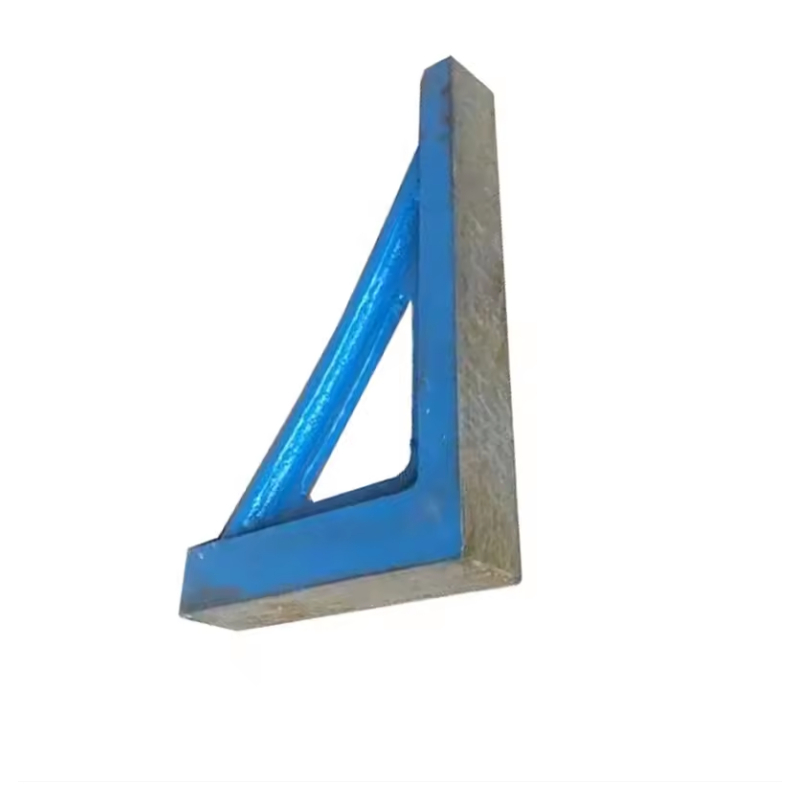
Versatile 5 8% Welding Table Clamps for Precision Metalworking and Fabrication
The Importance of 5% and 208% Welding Table Clamps in Modern Fabrication In the world of metal fabri
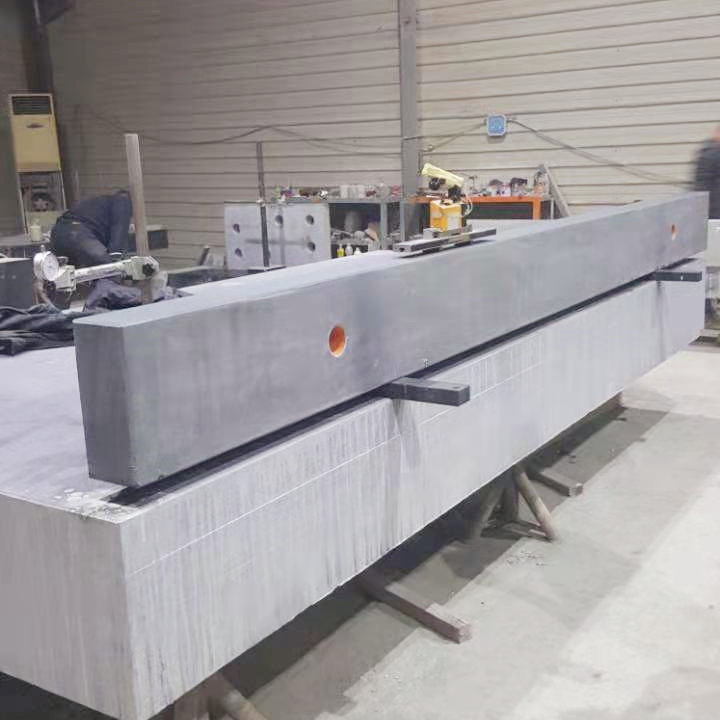
Various Types of Water Valves and Their Applications Explained
Understanding the Types of Water Valves A Comprehensive Guide Water valves are essential components
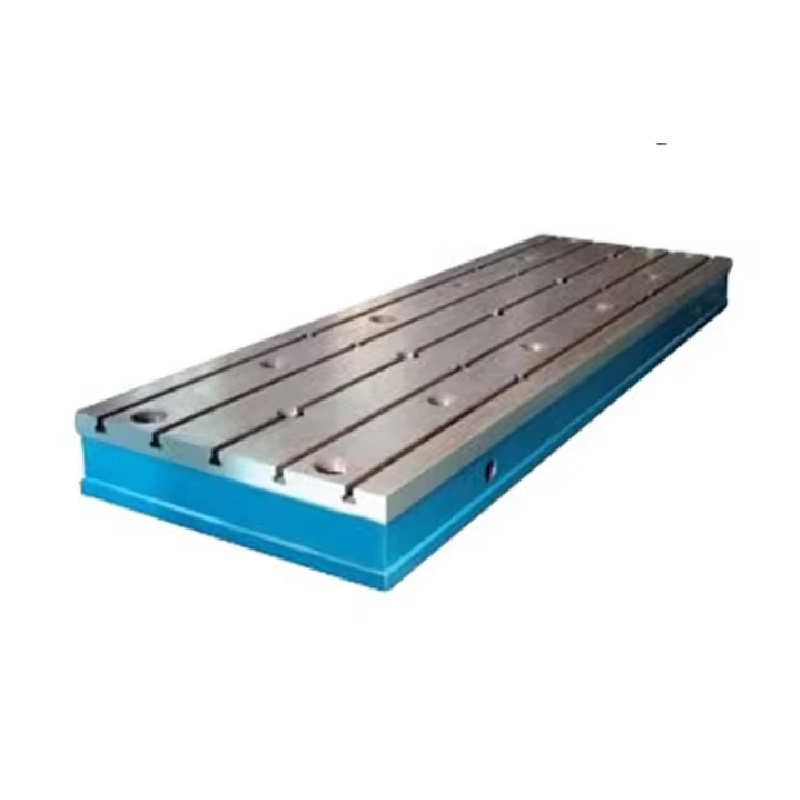
Versatile and Compact Welding Workbench for Efficient Metal Fabrication
The Portable Welding Table A Essential Tool for Welders In the dynamic world of metalwork and fabric
 English